
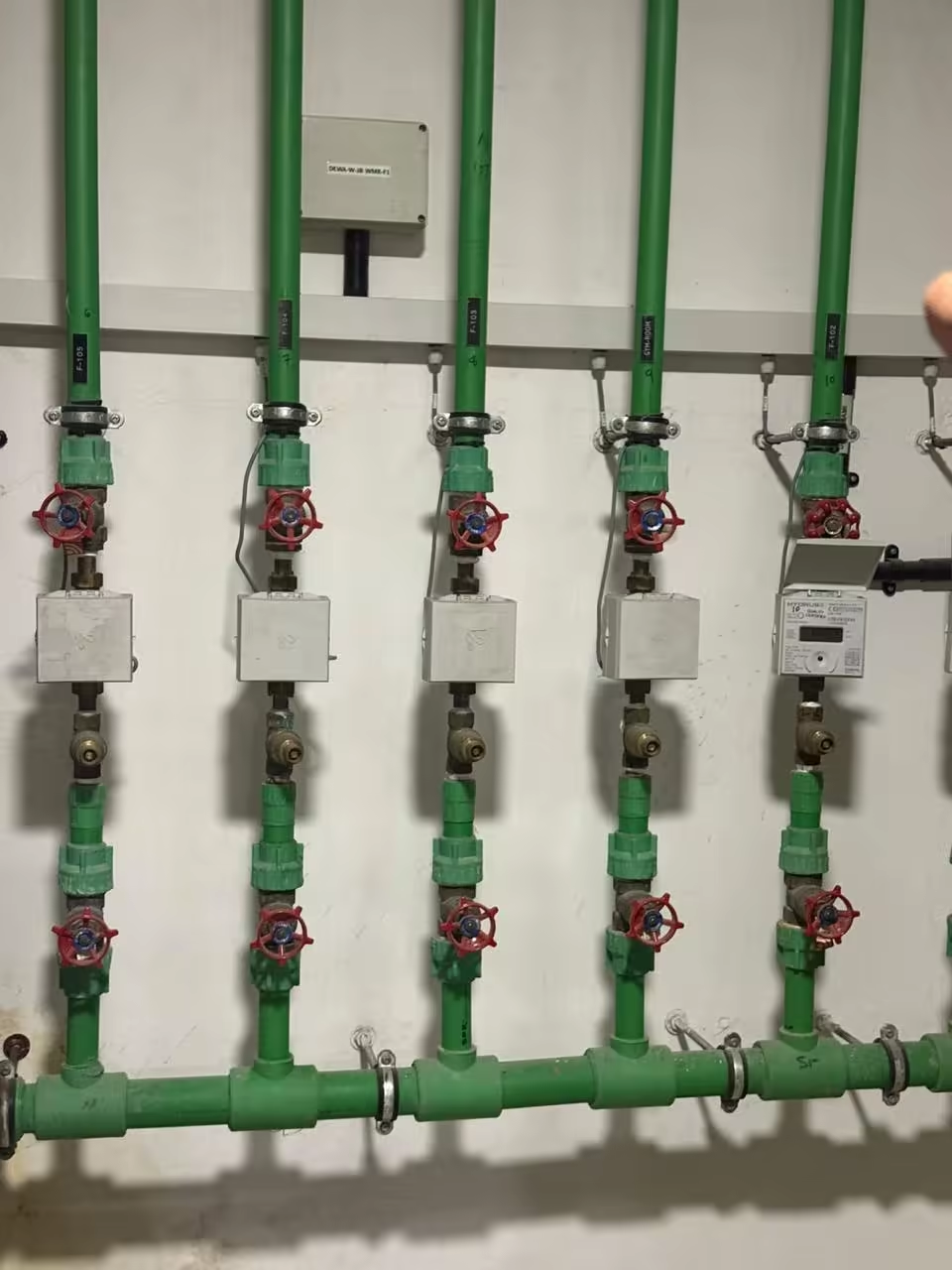
Plan plumbing maintenance in Dubai buildings with clear fault reports, service scopes, access arrangements, useful work records and ten practical FAQs.
Plumbing maintenance in Dubai buildings starts with a clear picture of what needs attention. A dripping fixture, a stain on a ceiling and a repeated drainage complaint are different reports. Owners do not need to diagnose every fault themselves. They need a practical way to collect information, arrange a suitable assessment and keep a useful record of what happens next.
Building a practical maintenance process
This guide explains that process for occupied residential and commercial properties. It focuses on planning and communication, not instructions for opening pipes or repairing equipment. Friends Facilities Management offers [plumbing maintenance coordination](/services/plumbing-maintenance), with the exact scope agreed around the property. Use the questions below to prepare a clear requirement and understand the response proposed for your building.
## Start with the affected place and the visible symptom
Turning observations into action
A useful report names the building, floor, room or common area. It describes what someone can see or notice without guessing the cause. Water beneath a washbasin is a visible observation. A claim that a particular hidden pipe has failed is a diagnosis that may need competent assessment. Keeping those two things separate helps the right person begin with reliable information.
Record when the issue was noticed and whether it has happened before. Explain whether it appears continuous, intermittent or linked to an ordinary activity such as use of a fixture. Do not recreate a problem in a way that could cause harm or damage. Share the observations already available and let the responsible team decide what inspection or specialist input is appropriate.
### Use a location that another person can find
Write the unit or area reference consistently. A note saying bathroom leak may be unclear in a property with several washrooms or repeated layouts. Add a simple landmark if it helps, such as the common washroom near reception. Keep unnecessary resident information out of shared records. The aim is to locate the issue and responsible contact without circulating private details more widely than needed.
## Decide who receives the first report
Make the reporting route clear to occupants and staff. One agreed contact or channel is easier to manage than several separate conversations with different contractors. The receiving team should log the issue, identify the next responsible person and tell the reporter what happens next. That does not mean every task is handled by one individual; it means the requirement has a clear owner.
If the issue appears urgent, follow the building's established emergency and escalation arrangements. Do not promise a fixed attendance time unless it is part of the accepted service agreement and current capacity. Keep occupants away from an affected area where appropriate and refer technical action to the responsible team. An ordinary maintenance article cannot replace a building-specific emergency plan.
### Give the reporter a reference
A reference helps connect photographs, visits and later questions to the same issue. It can be a simple work-order number or another consistent identifier. Tell the reporter how to use it when following up. This prevents a second message about the same problem from being mistaken for a completely new task and makes it easier to see whether the issue is still open.
## Build a practical plumbing asset picture
List the fixtures, service areas and known systems relevant to the agreed scope. Start with information the building already holds, such as drawings, equipment schedules, previous work records and the team's existing knowledge. Ask the competent provider to identify gaps that matter for maintenance. Do not invent an equipment list from a generic building checklist and assume it describes your property.
Link records to clear locations. A useful asset picture helps the team understand which fixture was assessed, which work belongs to a common system and which tasks involve another responsible party. It also helps avoid repeated requests for basic information. Our wider [building management checklist](/blog/facility-management-checklist-for-uae-buildings) can support the organisational side of that process without replacing a plumbing-specific assessment.
### Separate known facts from missing information
Mark an unknown item as unknown and assign a practical next step to confirm it. A drawing may be incomplete or an old record may use a different name for the same area. Do not silently turn a guess into a permanent record. A short list of information gaps is useful when it leads to an appropriate review, while a confident but inaccurate register can make later planning harder.
## Agree a maintenance scope the property can use
A scope should describe the areas, assets, activities and responsibilities included. It should also explain exclusions, access arrangements, reporting and the process for work outside the agreed service. General wording such as complete plumbing maintenance can mean different things to different people. Ask the provider to explain what routine attention covers and what would require a separate assessment or approval.
Distinguish planned activity from corrective work after a fault is reported. Parts, replacement, specialist testing, access equipment and work by other parties may need separate agreement. This is a commercial and operational clarification, not a reason to make the document unnecessarily complicated. Everyone should be able to tell whether a particular requirement is included and who authorises the next step when it is not.
### Match the scope to occupied conditions
Residential and commercial areas may have different access hours and communication needs. Ask how the provider will arrange entry, coordinate with occupants and manage any service interruption that competent assessment says is necessary. Do not assume a task can be performed at any hour simply because it appears small. The practical plan should work for the property as it is used each day.
## Use planned attention without inventing universal intervals
There is no single maintenance frequency that suits every fixture and building. Condition, use, manufacturer information, system characteristics and competent recommendations all matter. Ask the service provider to explain the proposed schedule and its basis. A plan is more useful when the activities are appropriate to the actual equipment than when it simply repeats a familiar monthly or quarterly label.
Record what was completed and what the visit found. A tick beside plumbing checked is less helpful than an identifiable activity, a location, an outcome and a follow-up where needed. The record should make sense to someone reviewing it later. Our [preventive maintenance guide](/blog/preventive-maintenance-for-dubai-buildings) explains how planned care connects with building records and ongoing decisions.
### Review the plan when conditions change
Changes in occupancy, repeated complaints, equipment condition or completed work may justify reviewing the programme. Do not keep a schedule unchanged solely because it has always been used. Ask what the new information suggests and whether the agreed scope should change. A review is a decision based on evidence, not a promise that more visits automatically solve every recurring problem.
## Make a leak report useful without attempting a repair
Describe the location, visible water, affected finishes and any nearby activity that staff already know about. Where safe and appropriate, provide a photograph that shows context as well as a closer view. Avoid images containing unnecessary personal information. Do not open a ceiling, electrical enclosure or other restricted area to produce a better photograph for a routine report.
The receiving team can then decide what immediate coordination, assessment and access are needed. A visible stain does not establish whether moisture is current, historic or linked to a particular system. Ask the competent provider to assess the cause and recommend the response. Where the issue crosses service boundaries, [MEP coordination](/services/mep-maintenance) can help keep the involved mechanical, electrical and plumbing responsibilities connected.
### Keep observations time-linked
Date the photograph or note and connect it to the work reference. If a later inspection finds a different condition, the sequence helps explain the change. Keep earlier evidence rather than replacing it with a new image that removes the history. You do not need a large report for every minor task, but the record should show what was reported, when it was reviewed and what action followed.
## Treat repeated drainage complaints as a pattern to review
Log repeated reports using consistent locations and categories. A complaint that returns after several visits deserves a review of the available history, not merely a new reference with no connection to earlier work. Ask whether the same symptoms, locations or conditions recur. The responsible technical team should assess what investigation is appropriate; the owner needs a clear explanation of that proposed next step.
Avoid encouraging occupants to add chemicals or improvise a repair because the problem seems familiar. A repeated symptom is not proof of one simple cause. The provider should consider the actual system and the work already attempted. Keep the operational focus on reporting, access, competent assessment and approval rather than turning residents or reception staff into informal repair technicians.
## Coordinate cleaning and plumbing responsibilities
Cleaning staff may notice unusual water, a recurring odour or a fixture that is difficult to use. Give them a simple reporting route and make clear which observations should be passed on. Their daily presence can help identify a change early, but noticing a symptom is different from diagnosing or repairing it. Keep the responsibilities appropriate to the person's role and training.
If cleanup is needed alongside technical work, agree how the teams communicate and when the affected area is ready for ordinary use. Our [cleaning and housekeeping service](/services/cleaning-housekeeping-services) can be discussed as a separate or coordinated scope. Do not assume that a plumbing attendance includes every cleaning, drying or reinstatement task unless the accepted arrangement says so.
### Define the handover between trades
A technical task may leave a separate finish repair or cleaning requirement. Record it and assign responsibility rather than marking the overall issue complete because one contractor has finished. [Civil and handyman support](/services/civil-handyman-services) may be relevant to an agreed follow-up, but the necessary work and timing should be assessed. Avoid repairing a visible finish before the underlying issue has been appropriately resolved.
## Communicate a planned interruption clearly
Where work requires a planned service interruption, the responsible team should explain the affected area, expected window, access needs and contact route under the agreed process. Give occupants useful information without unnecessary technical detail. If timing changes, update the notice or communication. Do not leave an earlier message in circulation that describes an arrangement no longer being followed.
After the work, communicate the outcome through the same agreed route where appropriate. If further assessment or monitoring is needed, say so plainly. Completion does not need to sound more certain than the evidence supports. A clear update can distinguish work carried out, an issue still under review and a separate recommendation awaiting approval without confusing occupants about the current status.
## Decide what a completed work record should contain
At minimum, connect the report, assessed location, completed activity and result. Add relevant photographs, provider notes and follow-up requirements according to the task and agreed reporting scope. If an item remains open, identify who owns the next action. A record that only says done gives little support to an owner trying to understand repeated complaints or justify a later replacement decision.
Keep records accessible to authorised people who need them. Use consistent file names and references so drawings, quotations and visit notes can be found together. Avoid building a system that depends on one person's phone or memory. When a staff member or contractor changes, the property should still retain the history needed to continue managing the issue responsibly.
### Check the difference between attendance and resolution
An attendance is a visit. A resolution is an outcome that addresses the agreed issue to the extent confirmed by assessment and the accepted scope. Sometimes a visit identifies the need for another specialist, a part or additional approval. Record that honestly rather than treating every attendance as a completed repair. This distinction makes follow-up clearer and helps the owner understand what remains to be decided.
## Use monthly review to find the next useful action
Review open plumbing tasks, repeated locations, overdue follow-ups and planned work with the responsible team. Ask what changed since the previous review and which decisions need owner approval. Do not judge performance only by the number of jobs closed. A small task count may hide unresolved repeat issues, while a busy period may include necessary planned attention and properly documented investigation.
Look for a practical improvement you can implement. It might be clearer location labels, a more consistent report, an updated access arrangement or a reviewed maintenance scope. Changes should solve a real coordination problem. A new spreadsheet is not automatically an improvement if nobody uses it to assign responsibility or make the next decision.
## Prepare a quotation request that avoids guesswork
Use the [quotation request page](/request-a-quote) with the property type, location, affected areas, known symptoms and preferred timing. State whether you need ongoing care, a defined fault assessment or coordination with an existing provider. Share available records that are relevant and appropriate to disclose. Explain access constraints and the responsible contact so the team can assess the next step with useful information.
Ask the proposal to distinguish the included scope, assumptions, exclusions, reporting and approval route for additional work. Do not ask the provider to promise a final repair without enough information about the condition. A clear brief can lead to a site review or an appropriate quotation; its purpose is to reduce uncertainty, not to pretend that every plumbing problem has a fixed answer before assessment.
## A small example of a better maintenance conversation
Imagine a receptionist receives a report of water beside a common washroom fixture. Instead of sending several disconnected messages, the receptionist records the location, time and visible condition under one reference. The responsible team checks the urgency and arranges the appropriate assessment. Any photographs show useful context without requiring someone to enter a restricted area or attempt a repair.
The competent provider attends and records the findings. If additional work is recommended, the owner can see the proposed scope and approval needed. If another trade must restore a finish afterwards, that action receives its own responsible person and status. The original issue remains connected to those steps rather than disappearing from view when the first visit ends.
At the next review, the property team can tell whether the work was completed, whether the symptom returned and whether anything remains open. None of that depends on the receptionist diagnosing a plumbing system. The improvement comes from a clear report, competent assessment, agreed action and a record that supports the next decision.
## Frequently asked questions
### 1. What should a plumbing maintenance report include?
Give the building, precise location, visible symptom, when it was noticed and whether it has happened before. Add an appropriate photograph where it is safe to do so. Describe observations rather than guessing a hidden cause. A clear reference and contact route help the receiving team connect the report to visits, findings and the next action.
### 2. How often should a building schedule plumbing maintenance?
Ask a competent provider to propose a programme based on the actual assets, condition, use and relevant instructions. One interval does not suit every system. Record the basis for the plan and review it when conditions or repeated faults change. More visits are not automatically better if the activities do not address the property's actual needs.
### 3. Does maintenance include all repair parts?
Only rely on the accepted service scope. Labour, parts, replacement, specialist work, access equipment and reinstatement may be treated differently. Ask how additional work is assessed and approved. A broad maintenance label does not establish that every possible expense is included, so clarify the boundaries before comparing quotations or authorising ongoing support.
### 4. Should occupants try to find the source of a leak?
Occupants can provide useful observations from a safe position and use the established reporting route. They should not open restricted areas or attempt technical work to improve a report. The responsible team should assess the condition and arrange competent investigation where needed. A visible stain or patch of water does not by itself prove one particular hidden fault.
### 5. How should repeated drainage complaints be handled?
Connect the reports and previous work under a clear location and history. Ask the technical provider to review the pattern and explain the proposed next assessment. Do not treat each return as an unrelated first complaint or assume a familiar symptom proves a simple cause. Keep the owner's role focused on access, coordination, approval and a recorded outcome.
### 6. Can cleaning staff help with plumbing reporting?
Yes, their ordinary work may reveal changes that should be reported. Give them a clear route for observations and keep diagnosis or repair within the appropriate technical scope. If cleaning and technical work are both needed, agree the handover and responsibilities. Do not assume that one attendance automatically includes every cleanup or finish-repair task.
### 7. What if a fault affects more than one service?
Ask the responsible team to coordinate the relevant providers and keep a single clear view of the issue. Water, finishes and other building services can require different assessments. Record each party's task and the remaining actions. MEP coordination can support that process within an agreed scope, without replacing specialist work or creating an unconfirmed service commitment.
### 8. When is a task ready to close?
Close it according to the agreed process when the completed activity and outcome are recorded and any remaining follow-up has clear ownership. A contractor visiting the property is not automatically proof that the whole issue is resolved. Distinguish completed work from a recommendation, pending part, further assessment or separate reinstatement requirement so the record remains honest and useful.
### 9. What information helps with a maintenance quotation?
Share the property, location, service objective, available asset information, known issues, access constraints and responsible contact. Say whether the need is planned support or a defined problem. Ask the proposal to explain inclusions, exclusions, reporting and additional-work approval. That gives both sides a clearer starting point than requesting an unspecified complete maintenance price.
### 10. What is the owner's most useful role?
Keep the information, responsibility and decisions connected. Ensure reports reach the right team, access can be arranged, technical recommendations are reviewed and approved work has a recorded outcome. Owners do not need to perform the repair themselves. A consistent process helps the property use competent support and retain the knowledge needed for better future maintenance decisions.
Next step
Every property requires a plan suited to its equipment, usage and current condition. A site review and accurate scope should come before any fixed maintenance commitment.
This article provides general guidance and does not replace a property inspection, formal technical advice or an accepted service scope.